
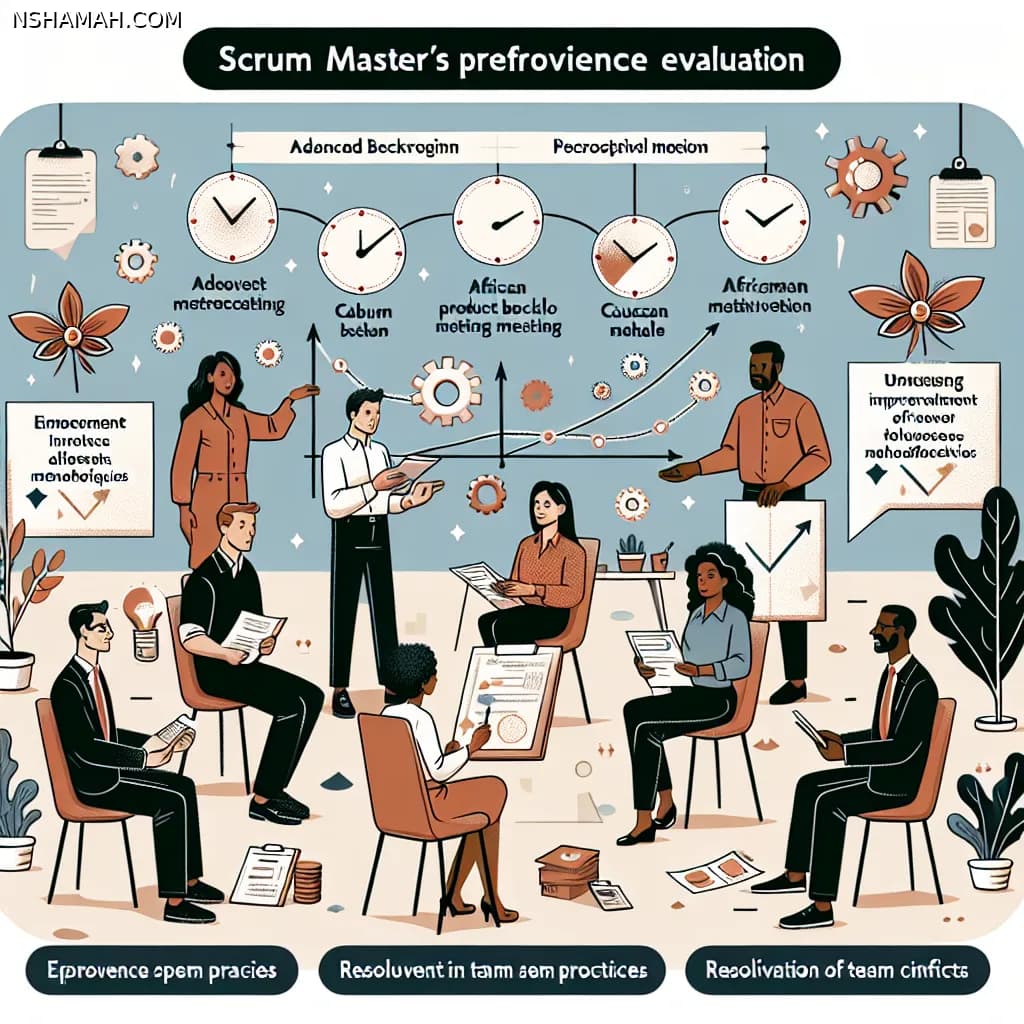
Scrum Master Competency Evaluation: Advanced Principles & Practice
Elevating Your Scrum Master Impact: Beyond the Basics
Are you a Scrum Master looking to move beyond just facilitating ceremonies? The journey to becoming a truly impactful Scrum Master involves a deep understanding and continuous refinement of your competencies. This isn't just about knowing the Scrum Guide; it's about mastering the art of guiding teams, fostering agility, and driving organizational change. Our focus today is on Scrum Master competency evaluation, specifically exploring advanced principles and practice that distinguish exceptional servant leaders.
In today's dynamic agile landscape, the role of a Scrum Master demands more than ever. It requires a strategic mindset, a strong coaching presence, and the ability to navigate complex team and organizational dynamics. Understanding where you stand, and where you can grow, is crucial for continuous improvement and maximizing your value.
Key Dimensions of Advanced Scrum Master Competency
An advanced Scrum Master operates across multiple dimensions, extending their influence beyond the immediate team. Here's a breakdown of critical areas:
1. Advanced Facilitation & Coaching
Facilitating for Deeper Insights
Beyond guiding daily stand-ups, advanced facilitation involves creating environments where complex problems are dissected, consensus is built, and innovative solutions emerge. This includes handling conflict, managing difficult personalities, and ensuring every voice is heard and valued.
Coaching for Sustainable Growth
An advanced Scrum Master coaches individuals and teams to self-organize, problem-solve, and continuously improve. This involves asking powerful questions, active listening, and helping team members uncover their own solutions rather than providing answers. It's about developing their capability, not just solving their immediate issues.
2. Mentoring & Teaching Excellence
Mentoring Agile Principles
As a mentor, an advanced Scrum Master guides less experienced practitioners, sharing knowledge and best practices for agile adoption and scaling. This can be informal or part of a structured program.
Teaching Advanced Scrum Concepts
Teaching goes beyond basic Scrum training. It involves educating stakeholders, product owners, and even leadership on advanced agile concepts, the value of empiricism, and the strategic implications of agile frameworks like SAFe or LeSS, tailoring the message to their context.
3. Impediment Removal & Organizational Agility
While all Scrum Masters remove impediments, advanced practitioners tackle systemic, organizational-level obstacles. This requires political savviness, negotiation skills, and the ability to influence stakeholders at various levels to foster an environment conducive to agility.
They act as an organizational change agent, identifying bottlenecks that affect multiple teams and working to resolve them, often influencing policy, processes, and culture.
4. Technical Acumen & Product Orientation
Though not a developer, an advanced Scrum Master possesses sufficient technical understanding to empathize with the development team's challenges and ask insightful questions. They also demonstrate a strong product orientation, understanding the product vision, strategy, and how Scrum contributes to delivering value to customers.
Evaluating Advanced Scrum Master Competencies: Practical Approaches
How do you assess these higher-level competencies? A multi-faceted approach is key:
Self-Assessment: Encouraging Scrum Masters to reflect on their own performance, identifying strengths and areas for growth against a comprehensive competency framework.
360-Degree Feedback: Gathering insights from team members, Product Owners, stakeholders, and other Scrum Masters provides a holistic view of their impact and effectiveness as a servant leader.
Observation & Coaching: Experienced agile coaches or senior Scrum Masters observing practice, followed by constructive feedback and coaching sessions, are invaluable for skill development.
Outcome-Based Metrics: While challenging, linking Scrum Master actions to team effectiveness, sprint goal achievement, impediment resolution rates, and ultimately, organizational agility, offers tangible evidence of impact.
Peer Review & Community of Practice: Engaging with a community of fellow Scrum Masters for shared learning, peer feedback, and mutual mentoring can highlight areas for development and reinforce best practices.
Continuous Growth: The Path to Mastery
Achieving advanced Scrum Master competency is an ongoing journey. It requires a commitment to continuous learning, self-reflection, and seeking out new challenges. Invest in advanced training, engage in peer coaching, and actively seek feedback to refine your skills. Embrace the challenge of becoming a more effective agile coach and driving true team effectiveness and organizational agility.
Conclusion: Unlock Your Full Potential
The role of an advanced Scrum Master is pivotal in shaping high-performing agile teams and resilient organizations. By focusing on a structured Scrum Master competency evaluation, grounded in advanced principles and practice, you can systematically identify areas for growth and amplify your influence. This isn't just about personal development; it's about elevating the entire agile ecosystem you operate within.
Ready to deep dive into refining your Scrum Master skills and truly making a difference? Explore further resources to master your craft.
Scrum Master Competency Evaluation: Advanced Principles & Practice